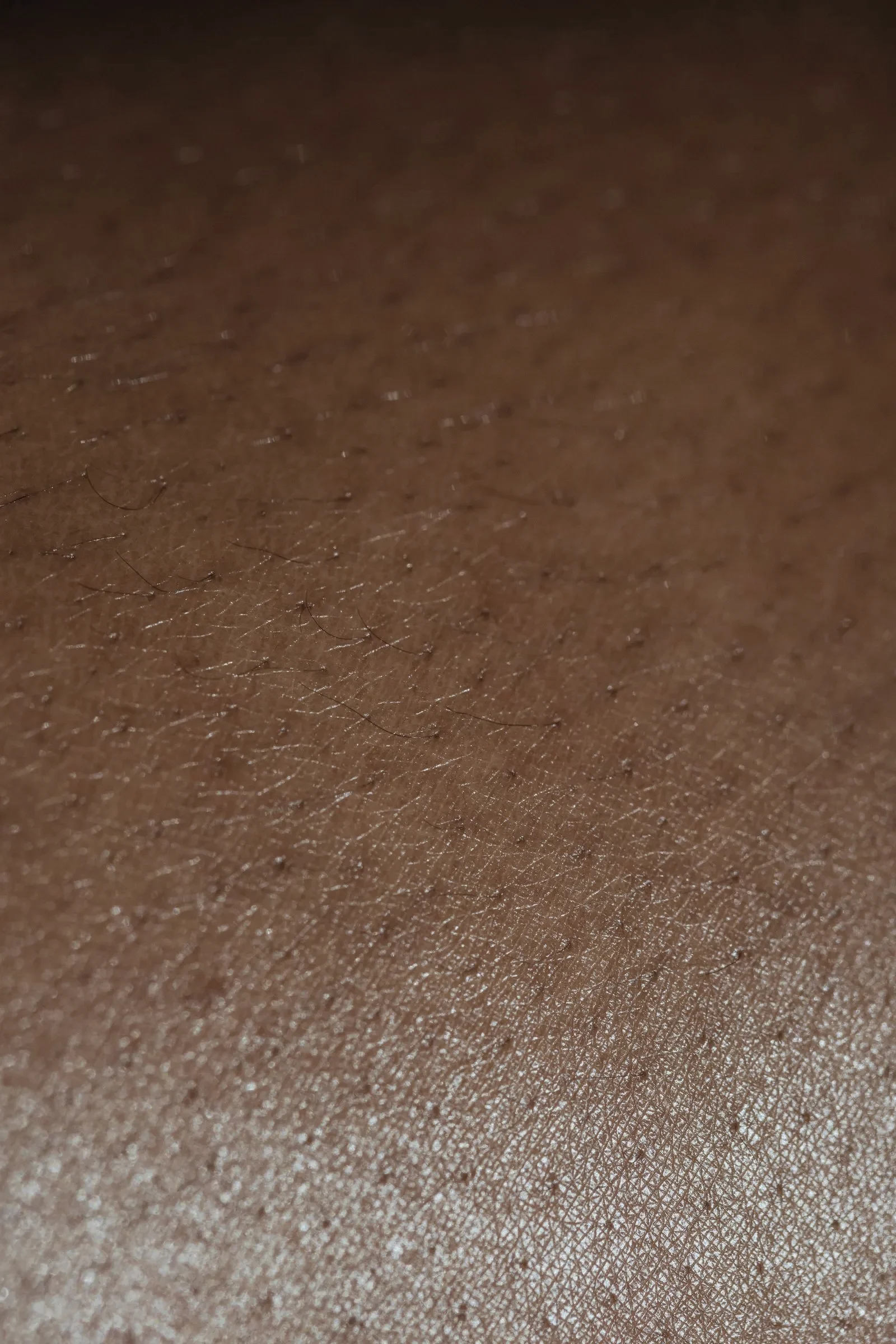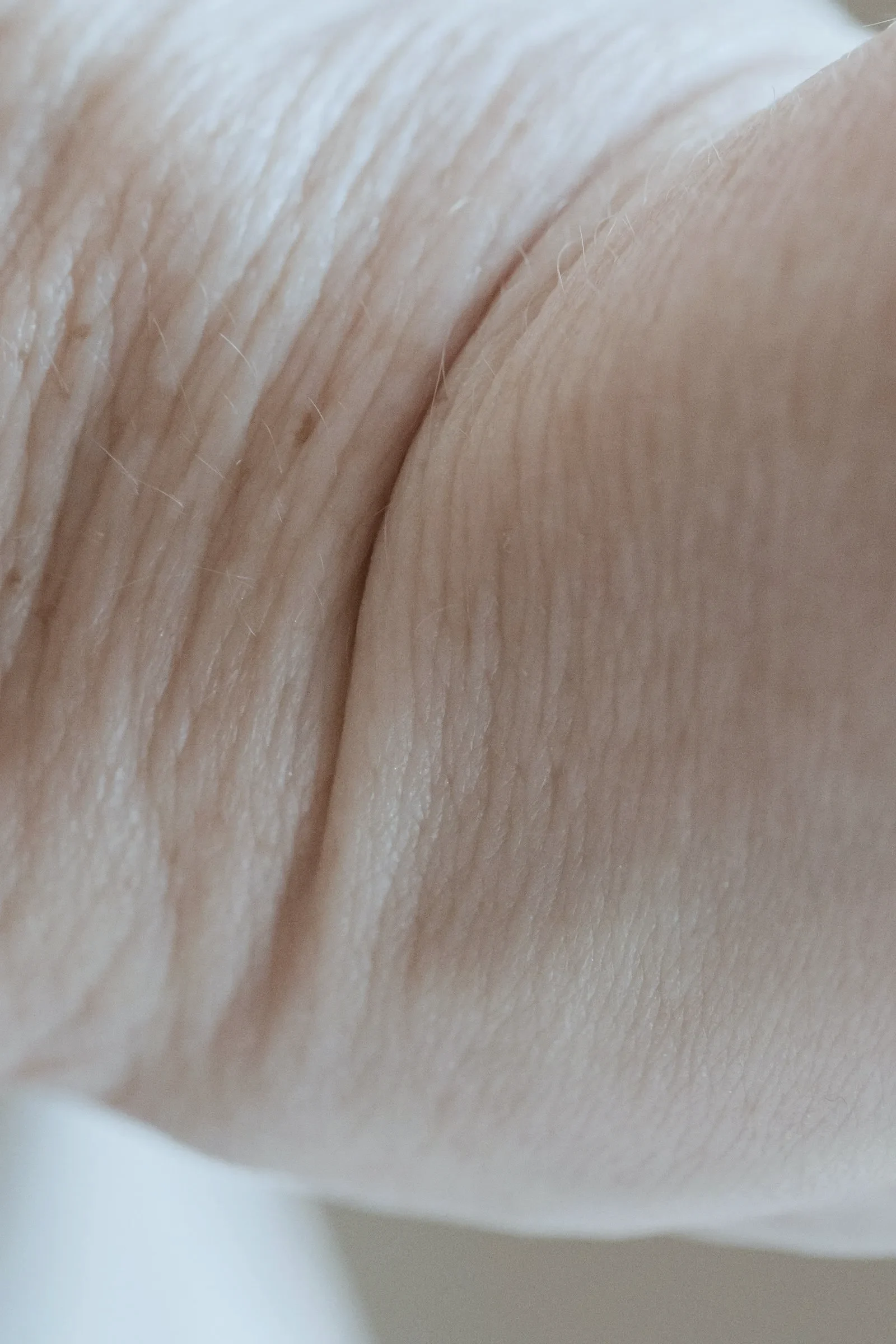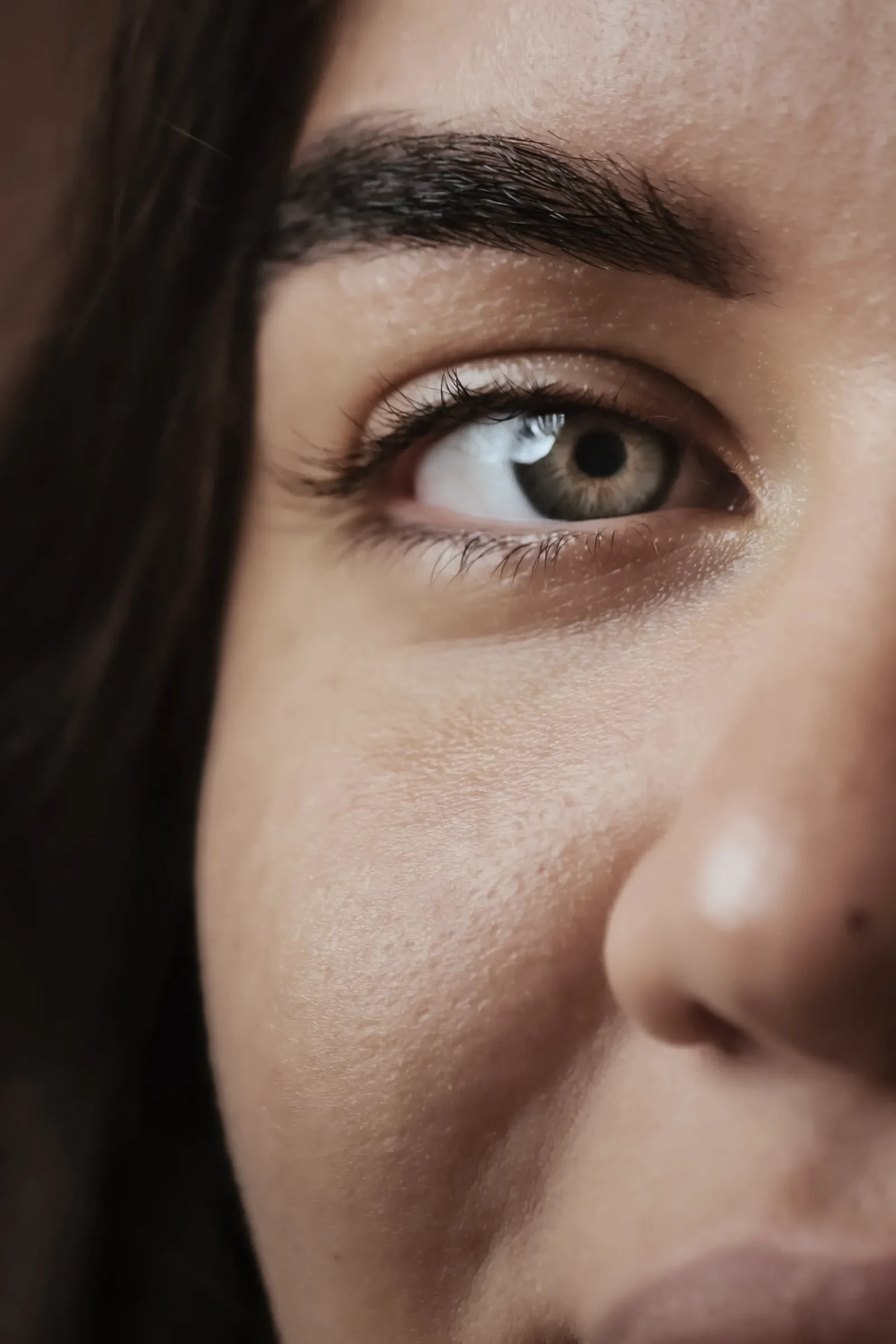


By the end of summer skin is not merely "less tanned": it has been through months of direct sun, swings between heat and air conditioning, chlorine or salt water. These are different demands from the rest of the year, and they leave different marks on different people.
What really happens to skin over the summer
Accumulated UV exposure thins the skin barrier and prompts uneven melanin production, which encourages pigmentation. Heat and air conditioning in alternation then dehydrate more than you notice while your skin feels damp.
The myth of the instant "reset"
No product undoes months of sun exposure overnight. First you need to understand what your skin is actually carrying: temporary dullness, pigmentation already forming, or a texture that has turned uneven.
What actually matters in September
It is better to let the skin settle for a few weeks after direct exposure, then act precisely: deep hydration first of all, and only afterwards a specific treatment if there is pigmentation to lighten.